There are football matches, and then there are matchdays at the Santiago Bernabéu. In Madrid, kick-off is only the centerpiece of a longer ritual that begins hours earlier and lingers well after the final whistle. To truly experience Real Madrid, you need to step beyond the stadium gates and into the neighborhoods, bars, plazas, and traditions that transform the city into a sea of white.
Here’s how to live a Bernabéu matchday like a local — not just as a spectator, but as part of the rhythm of Madrid itself.
Morning Calm Before the Storm
Matchday in Madrid often starts quietly. Unlike some football cities that wake up roaring, Madrid eases into the occasion. Locals sip café con leche at corner cafés, newspapers folded beside half-eaten tostadas, discussing predicted lineups with the calm confidence of a club accustomed to greatness.
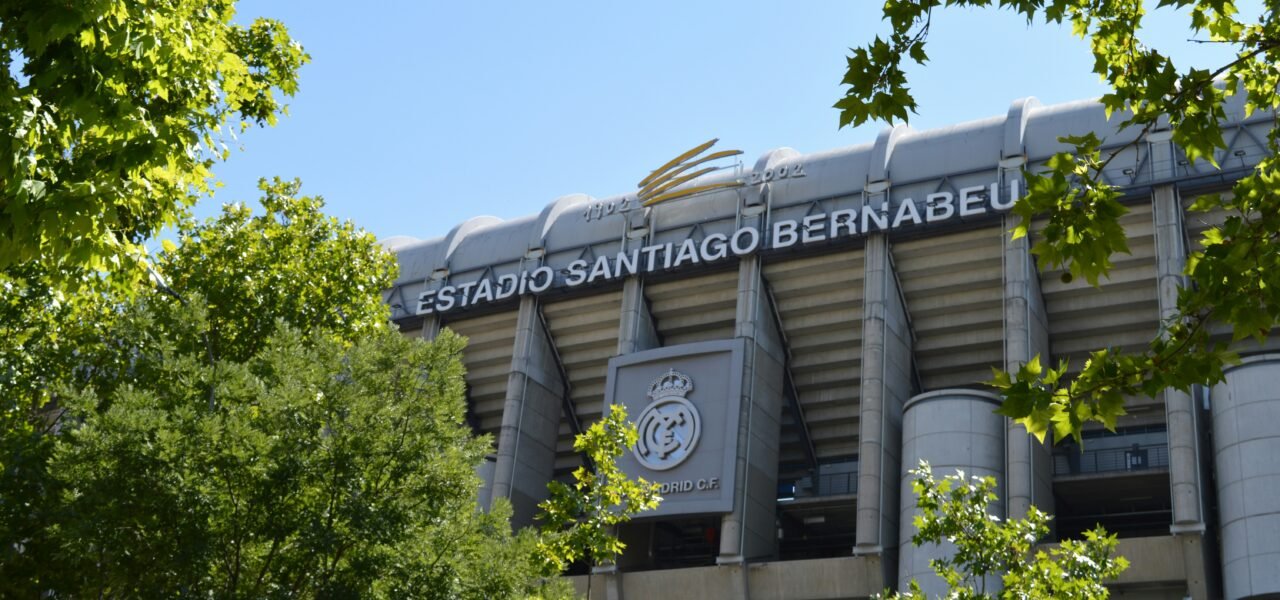
If the match is later in the day, this is the perfect time to stroll through Paseo de la Castellana, the grand boulevard that leads directly to the stadium. You’ll spot the Bernabéu’s sleek façade long before the crowds arrive — an architectural reminder of how deeply football is woven into the city’s modern identity.
For first-timers, a morning visit to the Real Madrid Museum adds context. Trophies glitter, legends loom large, and by the time you exit, the upcoming match feels less like an event and more like a continuation of history.
The Tapas Ritual: Pre-Match Fuel
As lunchtime approaches, the city shifts gears. Around Chamartín and AZCA, bars begin to fill with fans — season-ticket holders, visiting supporters, families in replica shirts. This is where matchday truly begins.
Skip generic chains and duck into traditional tapas bars where the televisions are already tuned to sports channels. Order classics:
- Bocadillo de calamares (fried squid sandwich)
- Patatas bravas with spicy sauce
- Croquetas that disappear as quickly as they arrive
A caña (small draft beer) or vermouth is standard, and conversations bounce between recent results and legendary comebacks. Even if your Spanish is limited, football acts as a universal language — a nod, a raised glass, a shared smile when an old highlight plays on screen.
The Walk to the Bernabéu
One of the most underrated parts of matchday is the walk to the stadium. About an hour before kick-off, the streets begin to pulse. Vendors sell scarves and flags, chants ripple through the crowd, and white shirts dominate every direction.
Unlike some stadiums tucked away on city edges, the Bernabéu rises directly from the urban landscape. Office buildings, metro exits, and cafés funnel fans toward the same destination. The sense of anticipation builds step by step, street by street.
Pause outside the stadium to take it all in. This is where generations overlap — grandparents telling stories of Di Stéfano, parents debating tactics, kids clutching their first jerseys. It’s not just a crowd; it’s a living archive.
Inside the Temple of Football
Once inside, the scale of the Bernabéu hits you. The roar during the anthem is spine-tingling, a reminder that this club measures time in trophies and expectations.
But even during the match, look around. Watch how fans react to a misplaced pass or applaud a clever piece of play. Madrid supporters are demanding, yes — but also deeply appreciative of elegance and effort. Silence can be as powerful as noise here.
And then, of course, there are the moments — a goal, a save, a late surge — that make the stadium feel like it might lift off its foundations.
After the Whistle: The Night Isn’t Over
In Madrid, the end of the match doesn’t signal the end of the experience. Win or lose, fans spill back into the streets, dissecting every decision and highlight.
Head back toward nearby neighborhoods or hop on the metro to Malasaña or La Latina. Bars buzz with post-match analysis, televisions replaying key moments while plates of food keep circulating. If it’s a big win, expect singing. If it’s a tough result, expect philosophy — Madridistas are experts at contextualizing setbacks.
For something more relaxed, rooftop terraces around the city offer sweeping views and a calmer vibe. With a drink in hand and the city lights flickering below, the match feels like part of a larger Madrid story rather than an isolated event.
Why Matchday in Madrid Is Different
What sets the Bernabéu apart isn’t just the football — it’s the way matchday integrates seamlessly into city life. There’s no sharp divide between stadium and street, between supporter and resident. Football here isn’t a disruption; it’s a shared pulse.
To experience matchday in Madrid is to understand how Real Madrid exists not just as a club, but as a cultural constant — one that lives in conversations, routines, and memories long after the 90 minutes are done.
So next time you plan a visit, don’t just buy a ticket. Give yourself the day. Walk the streets, eat the food, listen to the fans. Because at the Bernabéu, the real magic often happens before you ever take your seat — and long after you leave it.