Football in Lisbon: A City Divided by Passion
Few cities in Europe live and breathe football quite like Lisbon. In Portugal’s capital, football is more than entertainment — it is identity, history, family tradition, and social culture all rolled into one. The city is dominated by two giants: S.L. Benfica and Sporting CP. Their rivalry, known as the Derby de Lisboa, is one of the oldest and most passionate rivalries in European football.
The streets of Lisbon often feel split between red and green. Benfica’s red shirts flood cafés, balconies, and bars across working-class neighborhoods, while Sporting’s green-and-white stripes symbolize tradition, pride, and elegance. Matchdays transform the city into a sea of noise, flags, flares, and nonstop debate.
The Rise of Benfica: The Club of the People
S.L. Benfica was founded in 1904 by a group of young football enthusiasts from the Belém area of Lisbon. Originally called “Sport Lisboa,” the club later merged with another local club and became Sport Lisboa e Benfica. From the beginning, Benfica represented ordinary people and the working class of the city.
Benfica quickly grew into Portugal’s most popular club. Their rise reached legendary status during the 1960s under coach Béla Guttmann, when they won back-to-back European Cups in 1961 and 1962. The club became internationally famous thanks to one of football’s greatest players, Eusébio, known as “The Black Panther.” Eusébio’s goals, speed, and charisma turned Benfica into a global football name.
Today, Benfica remains the biggest club in Portugal in terms of support and membership. Their home stadium, Estádio da Luz, is one of Europe’s great football venues. Before matches, supporters gather around the stadium drinking beer, grilling food, and singing club anthems. One of the most famous traditions is the eagle flight before kickoff, when a real eagle circles the stadium before landing on the club crest.
Benfica culture is emotional and massive. Victories are celebrated throughout Lisbon, especially around the Marquês de Pombal square, where thousands of supporters gather late into the night.
Sporting CP: Tradition, Pride, and Talent Development
Sporting CP was founded in 1906 by José Alvalade and a group of aristocratic supporters who wanted to create a club that could compete with the best in Europe. Unlike Benfica’s working-class roots, Sporting historically represented Lisbon’s upper and middle classes.
Sporting developed into one of Portugal’s greatest sporting institutions, not just in football but across multiple sports. Their football team became famous during the 1940s and 1950s with the legendary attacking line known as the “Five Violins,” one of the most feared forward lines in European football at the time.
In modern football, Sporting is celebrated worldwide for its academy. Few clubs produce talent like Sporting. The academy developed stars such as Cristiano Ronaldo, Luís Figo, and many other Portuguese internationals. Sporting supporters take enormous pride in developing players rather than simply buying stars.
Their stadium, Estádio José Alvalade, has a different atmosphere from Benfica’s ground. It feels slightly more intense and tactical, with supporters deeply connected to the club’s identity and traditions. Sporting fans see themselves as loyal guardians of football culture and often emphasize the club’s values of effort, dedication, devotion, and glory.
The Lisbon Derby: More Than Football
The rivalry between Benfica and Sporting began almost immediately after Sporting’s formation. In one of Portuguese football’s earliest controversies, several Benfica players moved to Sporting because Sporting offered better facilities, including hot showers and proper equipment. That betrayal helped ignite a rivalry that still burns today.
The Derby de Lisboa is not just about football results. It reflects social identity, family loyalties, and Lisbon’s cultural divide. Entire households are split between red and green. Derby week dominates conversation in cafés, offices, taxis, and restaurants across the city.
The atmosphere on derby day is electric. Streets fill hours before kickoff. Scarves hang from apartment windows. Fireworks explode through the night. Supporters sing continuously, and the tension can be felt throughout the city.
Yet despite the rivalry, football culture in Lisbon also has beauty and community. Fans are deeply knowledgeable about tactics, history, and youth development. Children grow up wearing club shirts, playing football in narrow streets and public squares, dreaming of becoming the next Eusébio or Cristiano Ronaldo.
Lisbon’s Football Identity
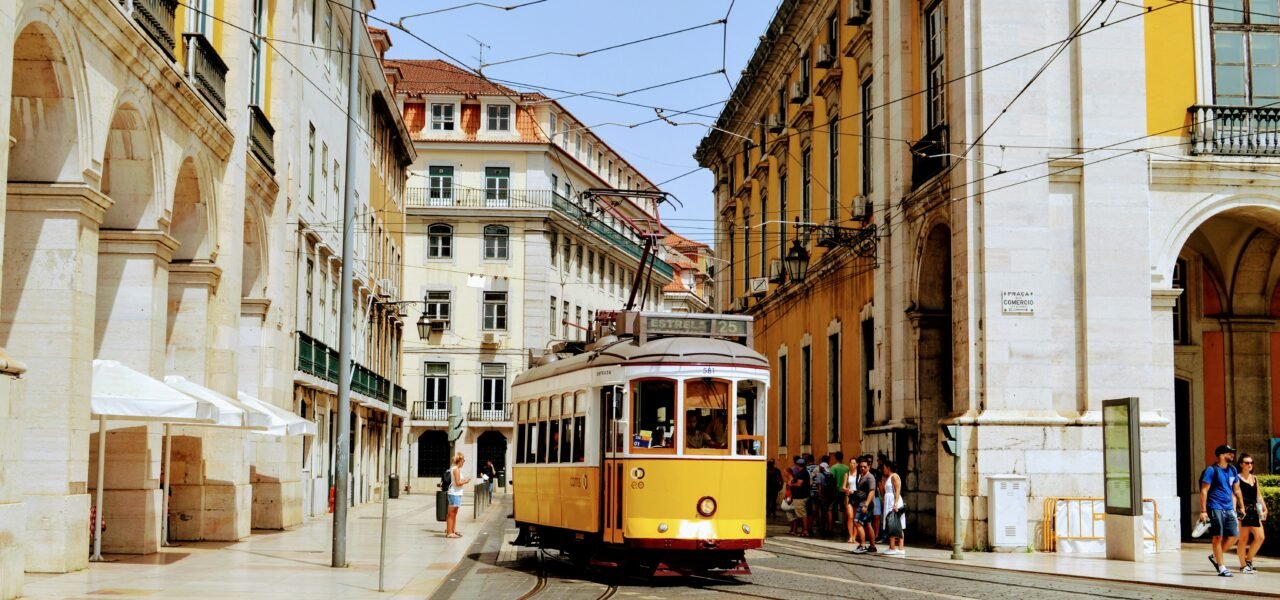
Football in Lisbon is inseparable from the city itself. The game shapes local culture, nightlife, conversation, and identity. Whether you are walking through Alfama, Bairro Alto, or near the riverfront, football is always present.
What makes Lisbon special is that both clubs embody different versions of Portuguese football culture. Benfica represents scale, emotion, and the people. Sporting represents tradition, elegance, and player development. Together, they have created one of Europe’s richest football cities.
For visitors, attending a match in Lisbon is not simply watching football — it is experiencing the heartbeat of the city.